

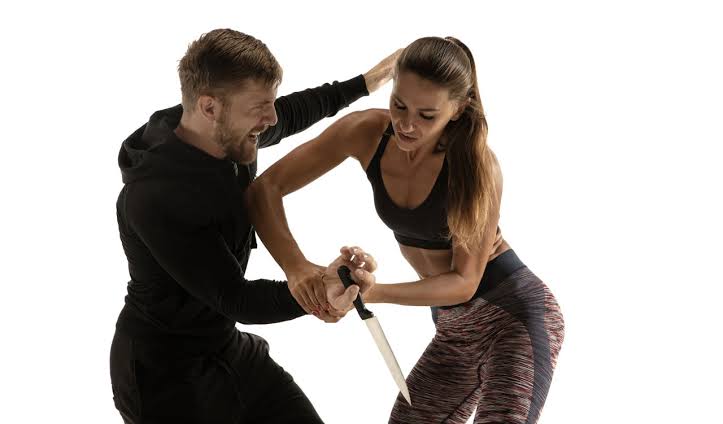
Personal safety and physical confidence have become paramount priorities in the modern world. While traditional martial arts offer rich cultural histories and combat sports provide excellent exercise, unpredictable real-world threats require a very different approach. Street confrontations do not come with weight classes, referee whistles, padded mats, or agreed-upon rules. To stay safe in volatile situations, everyday individuals need practical, direct, and instinctively driven defensive strategies.
When evaluating effective self-defense options, finding a modern training system that prioritizes instinct, pressure testing, and functional execution is critical. Training centers like SGS Krav Maga focus on equipping practitioners of all experience levels with tactical skills designed specifically to handle unexpected, real-world confrontations. By stripping away formal choreography and athletic point-scoring systems, modern self-defense training teaches students how to react decisively, manage sudden adrenaline spikes, and protect themselves and their loved ones when seconds count.
The Evolution of Self-Defense: Combat Sports vs. Practical Survival
To understand why tactical systems like Krav Maga have gained widespread global popularity, it is important to distinguish between combat sports, traditional martial arts, and practical self-defense.
+———————————————————————————–+
| MARTIAL ARTS COMPARISON SPECTRUM |
| |
| TRADITIONAL ARTS COMBAT SPORTS PRACTICAL DEFENSE |
| (Kata, Form, History) (Rules, Points, Mat Safety) (Instinct, Threat Neutral) |
| |
| Focus: Discipline Focus: Athletic Victory Focus: Personal Survival |
+———————————————————————————–+
Traditional Martial Arts
Disciplines such as Karate, Taekwondo, and Kung Fu emphasize form (kata), historical tradition, and strict belt hierarchies. While they build flexibility and mental discipline, their complex, pre-arranged movements often require years of repetition to master and may not adapt easily to chaotic real-life attacks.
Combat Sports
Sports like Western Boxing, Brazilian Jiu-Jitsu (BJJ), and Muay Thai offer high-intensity conditioning and live sparring. However, they operate under strict rules designed to protect athletes from permanent injury. In a real-world scenario, relying purely on combat sport tactics can create dangerous habits—such as taking a fight to the ground when multiple attackers might be present.
Practical Tactical Systems
Systems originally developed for military and law enforcement applications operate on a completely different premise: neutralize the threat as fast as possible and escape safely. There are no rules, no aesthetic judgments, and no expectations of fair play.
Core Principles of Real-World Defense
Krav Maga stands out because its methodology relies on natural human physiology and psychological stress responses rather than complex choreography.
1. Instinctive Reflexes Over Complex Technique
Under extreme fear or stress, fine motor skills degrade rapidly due to a massive release of adrenaline. Practical self-defense relies on gross motor skills—simple, powerful movements built directly upon natural human startle reflexes. Because the movements mirror what your body naturally wants to do when startled, they can be learned quickly and recalled under pressure.
2. Simultaneous Defense and Counter-Attack
In a street confrontation, spending time blocking a strike before initiating a counter-strike gives your opponent time to launch a second attack. Practical defense teaches practitioners to defend and counter-attack in a single fluid motion. For example, deflection of a punch occurs at the exact moment a palm strike or punch is delivered to the attacker’s face.
3. Targeting Vulnerable Structure
When facing an attacker who may be significantly larger or stronger, relying on raw physical strength is a losing strategy. Tactical training focuses on striking vulnerable anatomical targets that cannot be built up through muscle size—such as the eyes, throat, groin, solar plexus, and knees. Disrupting these targets levels the playing field instantly.
4. Continuous Threat Neutralization and Escape
The ultimate goal of self-defense is never to win a match or deliver punishment; it is to secure safety. Every technique is designed to disrupt the attacker’s balance, create a clear opening, and facilitate an immediate escape to a safe area.
Physical Fitness and Kinetic Performance in Defense
While self-defense is fundamentally about personal safety, it doubles as one of the most comprehensive physical conditioning methods available. A typical training session incorporates high-intensity interval training (HIIT), core stability, mobility, and explosive striking drills.
Building functional power requires understanding how kinetic force translates into practical striking impact. Advanced training facilities, including SGS Krav Maga, utilize specialized diagnostic equipment such as the PowerKube Combat Performance Center. This technology measures striking velocity, kinetic energy, and impact power in real time. By analyzing objective data, students learn how to optimize their body mechanics—hip rotation, weight transfer, and structure—ensuring that even smaller practitioners can generate maximum stopping power.
+———————————————————————————–+
| THE KINETIC POWER CHAIN |
| |
| [ Ground Drive ] —> [ Hip Rotation ] —> [ Core Snap ] —> [ Impact ] |
| |
| Power originates in the legs and transfers through the kinetic chain to target. |
+———————————————————————————–+
Specialized Programs for Every Age and Demographic
Self-defense needs vary significantly depending on age, size, lifestyle, and daily routines. Modern training centers tailor their instruction to address specific challenges faced by different groups.
Women’s Self-Defense
Women frequently face distinct situational threats, including unwanted physical encroachment, grabs, or attacks where an aggressor holds a physical weight advantage. Specialized women’s self-defense training emphasizes:
- Overcoming height and leverage disadvantages using biomechanics.
- Escaping wrist grabs, chokeholds, and pin positions efficiently.
- Developing strong verbal boundary setting to stop harassment before it physicalizes.
Youth & Anti-Bullying Initiatives
Children and teenagers need age-appropriate tools to deal with conflict. Youth programs focus on building physical coordination, emotional resilience, and clear communication skills. Key pillars include:
- Recognizing boundary pushing and standing tall against verbal bullying.
- Non-violent de-escalation strategies.
- Safe, non-injurious physical escapes if forced into a corner.
Adult & Senior Fitness and Awareness
For working adults and older individuals, self-defense training provides a dual benefit: stress relief and functional longevity. Training improves balance, joint stability, spatial awareness, and confidence when navigating busy urban environments.
3 Practical Safety Tips You Can Apply Immediately
Self-defense extends beyond physical strikes. The vast majority of dangerous situations can be avoided entirely by adopting proactive personal safety habits.
Tip 1: Practice Active Situational Awareness
Avoid “inattentional blindness” caused by staring down at a smartphone or wearing noise-canceling headphones while walking in public spaces. Keep your eyes up, scan your surroundings regularly, and pay attention to transition zones such as parking garages, elevators, and public transport stops.
Tip 2: Establish the “Fence” Position
If an unfamiliar person approaches you aggressively or crosses your personal space, raise your hands naturally in front of your chest with palms open. This stance—often called “the fence”—achieves three crucial objectives:
- It establishes a clear physical boundary.
- It communicates non-aggression to onlookers and security cameras.
- It keeps your hands ready to block or strike without telegraphing your movement.
Tip 3: Prioritize Simple, Devastating Counter-Strikes
If a physical altercation is unavoidable, keep your responses simple. Avoid throwing closed-fist punches to the hard bones of an attacker’s skull, which frequently causes broken hands. Instead, use open-palm strikes upward under the chin, palm-heel strikes to the nose, or low knees to the groin to disrupt their attack and buy time to run.
Frequently Asked Questions (FAQs)
Is prior martial arts experience required to start training?
Not at all. Practical self-defense systems are specifically designed to accommodate total beginners. Because techniques are built on natural human reflexes, students can learn functional moves right from their very first class.
How does practical self-defense differ from workout kickboxing?
While fitness kickboxing provides a great cardiovascular workout using heavy bags, it does not teach distance management, threat awareness, grab escapes, weapon defense, or live stress conditioning. Practical defense combines conditioning with real-world tactical awareness.
Can self-defense training help reduce anxiety?
Yes. Learning how your body responds to adrenaline and practicing under controlled, supportive conditions helps demystify fear. Students consistently report feeling calmer, more confident, and less anxious in their daily lives.
Is Krav Maga safe to practice for all ages?
When taught by certified instructors in a controlled facility, training is exceptionally safe. Drills are structured with controlled intensity, appropriate protective gear, and step-by-step progressions to ensure a safe learning environment for everyone.
Conclusion
Investing in practical self-defense training is ultimately an investment in your personal independence, peace of mind, and physical well-being. By focusing on instinctive movements, situational awareness, and pressure-tested techniques, anyone—regardless of age, gender, or initial fitness level—can cultivate the skills required to navigate the world safely and confidently.
