

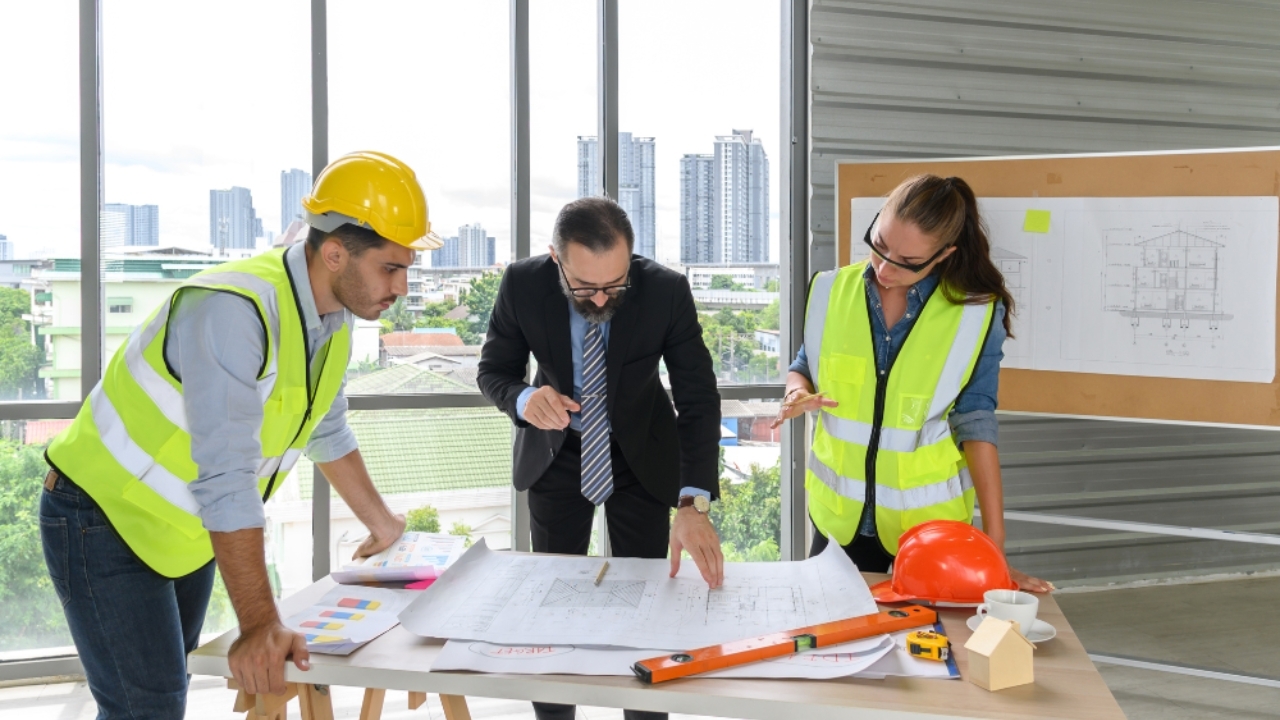
Starting a commercial construction project is a major investment for any business. Whether you are building a new office, renovating a retail space, expanding a warehouse, or developing a commercial facility, the success of the project often depends on choosing the right contractor. A skilled commercial contractor can help keep the project on schedule, manage costs effectively, and ensure the final result meets your expectations.
Many business owners focus primarily on price when comparing contractors. While budget is important, experience, communication, project management, and reliability are equally important factors. Taking the time to evaluate contractors carefully can save significant time and money throughout the construction process.
Why Choosing the Right Contractor Matters
Commercial construction projects involve many moving parts. Contractors must coordinate architects, engineers, subcontractors, suppliers, inspectors, and project managers. Without proper planning and oversight, projects can quickly experience delays, budget overruns, and quality issues.
An experienced contractor understands how to manage these challenges while maintaining safety and quality standards. This expertise helps business owners avoid common construction problems and achieve better results.
Businesses planning projects in South Carolina often look for contractors with local experience and a strong understanding of regional construction requirements. For example, companies such as MPS Engineering & Construction provide commercial general contracting services that help businesses navigate complex construction projects while maintaining efficiency and professional standards.
Define Your Project Goals
Before hiring a contractor, it is important to clearly define your project objectives. Understanding your needs will help you identify contractors with the right skills and experience.
Consider the following questions:
- What type of commercial property are you building or renovating?
- What is your estimated budget?
- What is your desired completion timeline?
- Are there any special design or operational requirements?
- Will the facility need future expansion?
Having clear answers to these questions makes it easier to compare contractor proposals and determine which company is best suited for the project.
Look for Industry Experience
Not all construction contractors specialize in commercial projects. Commercial construction often involves larger budgets, stricter regulations, and more complex project management requirements than residential work.
When evaluating contractors, ask about their experience with projects similar to yours. Review completed projects and request references from previous commercial clients.
Experienced contractors can offer valuable insights regarding:
- Building codes and regulations
- Site preparation requirements
- Material selection
- Scheduling strategies
- Risk management
Their knowledge can help prevent costly mistakes and improve overall project outcomes.
Verify Licenses and Insurance
A professional commercial contractor should have all required licenses and insurance coverage. This protects both the contractor and the client throughout the project.
Before signing a contract, verify:
- Business licenses
- General liability insurance
- Workers’ compensation coverage
- Relevant certifications
- Local regulatory compliance
Request copies of important documents and ensure they remain current throughout the construction process.
Evaluate Communication Skills
Strong communication is one of the most important qualities in a contractor. Construction projects often involve unexpected challenges, and clear communication helps prevent misunderstandings.
A reliable contractor should:
- Respond promptly to inquiries
- Provide regular project updates
- Explain technical information clearly
- Address concerns professionally
- Maintain transparency regarding costs and timelines
Good communication builds trust and helps create a productive working relationship throughout the project.
Review Project Management Processes
Successful commercial construction depends on effective project management. Contractors must coordinate multiple teams while ensuring quality standards are maintained.
Ask contractors about their project management systems. Key areas to discuss include:
Scheduling
A detailed schedule helps keep every phase of construction organized and on track.
Budget Management
Professional contractors monitor expenses carefully and provide accurate cost projections.
Subcontractor Coordination
Managing electricians, plumbers, HVAC specialists, and other subcontractors requires strong organizational skills.
Quality Control
Contractors should have clear procedures for inspections and quality assurance throughout the project.
Strong project management reduces delays and helps ensure a smoother construction experience.
Check Reviews and References
One of the best ways to evaluate a contractor is by speaking with previous clients. References can provide valuable information about a contractor’s professionalism, reliability, and overall performance.
Ask former clients questions such as:
- Was the project completed on time?
- Did the contractor stay within budget?
- How effectively were issues resolved?
- Was communication consistent?
- Would they hire the contractor again?
Online reviews can also provide additional insight into customer satisfaction and company reputation.
Compare Value Instead of Price
Many business owners automatically choose the lowest bid. However, selecting a contractor based solely on price can create problems later.
A significantly lower estimate may indicate:
- Lower-quality materials
- Inexperienced labor
- Missing project components
- Unrealistic budgeting
- Potential future change orders
Instead of focusing only on cost, evaluate the overall value offered by each contractor. Consider their experience, reputation, communication, and project management capabilities.
A higher-quality contractor may ultimately save money by reducing delays, mistakes, and future repair costs.
Prioritize Safety Standards
Safety should always be a top priority on commercial construction sites. Contractors with strong safety programs typically experience fewer accidents and disruptions.
Ask potential contractors about:
- Employee safety training
- OSHA compliance practices
- Site inspection procedures
- Emergency response plans
- Safety performance records
A commitment to safety demonstrates professionalism and responsible project management.
Understand Contract Details
Before signing any agreement, review the contract carefully. Every important aspect of the project should be documented clearly.
Pay attention to:
- Scope of work
- Payment schedules
- Completion timelines
- Warranty information
- Change order procedures
- Dispute resolution processes
A well-written contract helps protect both parties and reduces the risk of misunderstandings.
Build a Long-Term Partnership
The best contractor relationships often extend beyond a single project. Businesses frequently require future renovations, expansions, maintenance work, or facility upgrades.
Working with a contractor who values long-term relationships can provide ongoing benefits, including:
- Familiarity with your property
- Consistent project quality
- Faster planning processes
- Improved communication
- Greater trust and reliability
Establishing a strong partnership can make future construction projects more efficient and successful.
Conclusion
Choosing the right commercial contractor is one of the most important decisions a business can make when planning a construction project. The contractor you select will influence project quality, scheduling, budgeting, and overall success.
By focusing on experience, communication, project management, safety, and reputation, business owners can make informed decisions and reduce construction-related risks. Taking the time to evaluate contractors thoroughly helps ensure a smoother process from planning to completion.
A successful commercial project starts with selecting a contractor who understands your goals, communicates effectively, and delivers quality results. With careful research and proper planning, businesses can create facilities that support long-term growth and success.
