

Cold weather creates serious challenges for heavy trucks, especially when it comes to starting large diesel engines. Truck drivers working in freezing temperatures often face weak batteries, slow engine cranking, and failed starts during winter mornings. These problems can delay deliveries, increase maintenance costs, and create frustration for drivers and fleet owners.
Traditional lead-acid batteries have been used in heavy trucks for decades, but they lose efficiency in extremely cold conditions. As temperatures drop, batteries struggle to deliver the high burst of power needed to start large diesel engines. This is where supercapacitors are becoming an important solution.
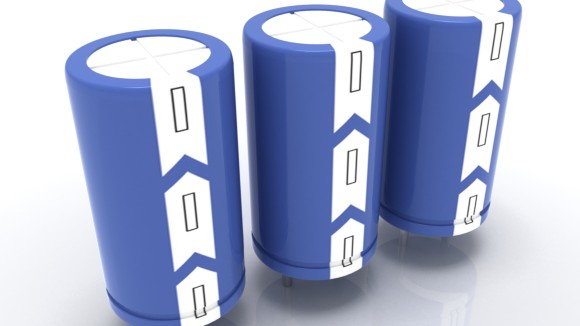
Supercapacitors are advanced energy storage devices designed to deliver quick and powerful bursts of energy. Unlike normal batteries, they perform well even in freezing weather. Many trucking companies are now using supercapacitor technology to improve cold-weather engine starts, reduce downtime, and increase reliability.
This article explains how supercapacitors work, why cold weather affects truck batteries, and how supercapacitors help solve winter engine starting problems in heavy trucks.
Why Cold Weather Causes Starting Problems in Heavy Trucks
Heavy trucks use large diesel engines that require significant power during startup. In normal weather, truck batteries provide enough energy to crank the engine and begin combustion. However, cold temperatures make this process much harder.
When temperatures fall below freezing, several problems appear at the same time. First, engine oil becomes thicker, making the engine harder to turn. Second, diesel fuel may become less efficient in extreme cold. Third, traditional batteries lose a large portion of their power output during freezing conditions.
Lead-acid batteries rely on chemical reactions to produce electricity. Cold weather slows these chemical reactions, reducing battery performance. In some cases, a truck battery may lose nearly half of its starting power during very low temperatures.
Heavy trucks often sit overnight in parking areas or loading stations during winter. By morning, the batteries may no longer provide enough current to start the engine properly. Drivers then face delays, jump-starts, or expensive roadside assistance.
Understanding Supercapacitors
A supercapacitor is an energy storage device that stores electricity differently from a traditional battery. Instead of using slow chemical reactions, supercapacitors store energy through electrostatic charge.
Because of this design, supercapacitors can release energy very quickly. They are capable of delivering extremely high power in a short amount of time, which makes them ideal for engine starting systems.
Supercapacitors also charge rapidly and maintain performance even in very cold environments. Unlike batteries, freezing temperatures do not significantly reduce their ability to provide instant power.
These devices are sometimes called ultracapacitors because they can store and discharge electrical energy much faster than standard capacitors. Although they cannot hold energy as long as batteries, they are excellent for short, high-power applications such as starting diesel engines.
How Supercapacitors Help Start Heavy Truck Engines
One of the biggest advantages of supercapacitors is their ability to deliver high cranking power instantly. Diesel truck engines require a strong surge of current to begin rotation, especially during winter conditions.
When a supercapacitor is connected to the starting system, it provides an immediate burst of energy directly to the starter motor. This extra power helps overcome thick engine oil and cold mechanical resistance.
Unlike traditional batteries, supercapacitors do not suffer major performance losses in freezing temperatures. Even in harsh winter climates, they can provide reliable starting assistance.
In many modern systems, supercapacitors work together with truck batteries. The battery stores long-term energy, while the supercapacitor handles the powerful short burst needed during startup. This combination improves overall reliability and reduces stress on the battery.
As a result, heavy trucks can start more easily even after sitting overnight in sub-zero temperatures.
Faster Power Delivery in Extreme Cold
Traditional lead-acid batteries often struggle to deliver high current quickly in freezing conditions. Their internal resistance increases in cold weather, slowing energy delivery.
Supercapacitors behave differently. They have very low internal resistance, which allows them to release large amounts of energy almost instantly. This fast response is extremely useful during engine ignition.
For heavy-duty diesel engines, every second matters during startup. Slow cranking can prevent proper fuel ignition and increase engine wear. Supercapacitors reduce this problem by delivering rapid power immediately when the ignition system activates.
This quick power delivery improves starting reliability and reduces the chance of failed starts during winter operations.
Reduced Stress on Truck Batteries
Cold-weather engine starts place huge stress on traditional batteries. Repeated hard starts slowly damage battery cells and shorten battery lifespan.
Supercapacitors help reduce this pressure by supporting the battery during startup. Instead of forcing the battery to supply all the cranking power alone, the supercapacitor shares the load.
This reduces battery strain and allows the battery to operate more efficiently. Over time, this can increase battery life and reduce replacement costs for trucking companies.
Fleet operators benefit from fewer battery failures, lower maintenance expenses, and improved vehicle reliability during winter seasons.
Improved Reliability for Fleet Operations
For trucking businesses, reliability is extremely important. A single truck that fails to start can delay shipments, affect delivery schedules, and increase operational costs.
Winter conditions are especially difficult for trucks operating in northern regions, mountain areas, or cold industrial environments. Supercapacitor systems provide an additional layer of reliability by ensuring dependable engine starts.
Many fleet operators are adopting supercapacitor-assisted starting systems because they reduce downtime and improve vehicle readiness. Drivers can trust that their trucks will start even after long exposure to freezing temperatures.
This reliability becomes even more valuable for emergency vehicles, construction trucks, mining equipment, and long-haul transportation fleets.
Longer Lifespan Compared to Batteries
Another important benefit of supercapacitors is their long operational life. Traditional truck batteries gradually wear out after repeated charging and discharging cycles.
Supercapacitors can handle hundreds of thousands or even millions of cycles with minimal performance loss. This makes them highly durable in demanding commercial transportation environments.
Since engine starting requires repeated high-power bursts, supercapacitors are well suited for heavy truck applications. They can continue operating effectively for many years with less degradation than conventional batteries.
This long lifespan helps lower long-term operating costs for transportation companies.
Better Performance in Harsh Weather Conditions
Heavy trucks often operate in difficult environments, including snowstorms, icy roads, and freezing temperatures. Equipment used in these conditions must remain dependable.
Supercapacitors perform well in both extremely cold and hot climates. Unlike some batteries that lose significant efficiency in winter, supercapacitors maintain stable power delivery across a wide temperature range.
This makes them valuable not only for trucks but also for buses, agricultural machinery, military vehicles, and industrial equipment operating in severe weather conditions.
Their ability to work reliably in harsh environments is one reason many industries are investing in supercapacitor technology.
Applications in Modern Heavy Trucks
Many modern heavy trucks now include advanced energy management systems that combine batteries with supercapacitors. These hybrid systems improve engine starting efficiency and overall electrical performance.
Supercapacitors are also used in start-stop systems, where engines repeatedly shut down and restart during operation. Frequent restarting can damage batteries, but supercapacitors handle these rapid energy demands more effectively.
Electric and hybrid trucks are also beginning to use supercapacitors for regenerative braking and quick energy storage. During braking, energy is captured and stored temporarily in the supercapacitor for later use.
As truck technology evolves, supercapacitors are becoming an increasingly important part of commercial transportation systems.
Challenges and Limitations
Although supercapacitors provide many benefits, they also have some limitations. One challenge is their lower energy storage capacity compared to batteries. They cannot power truck systems for long periods on their own.
This is why supercapacitors are usually combined with traditional batteries instead of completely replacing them.
Cost can also be a factor. Advanced supercapacitor systems may initially cost more than standard battery setups. However, many fleet operators consider the long-term reliability and reduced maintenance costs worth the investment.
Another limitation is self-discharge. Supercapacitors lose stored energy faster when unused for long periods. Despite this, their rapid charging ability often offsets this issue in daily truck operations.
The Future of Supercapacitors in Transportation
The transportation industry is moving toward more efficient and reliable energy systems. As technology improves, supercapacitors are expected to become more common in heavy trucks and commercial vehicles.
Researchers are developing new materials that can increase supercapacitor energy density while maintaining fast charging performance. These improvements may allow future supercapacitors to store more energy and support even larger vehicle systems.
The growth of electric trucks and hybrid transportation is also increasing interest in supercapacitor technology. Their ability to deliver rapid bursts of power makes them ideal for modern energy-efficient vehicles.
In the future, supercapacitors may play a major role in reducing fuel consumption, improving vehicle performance, and supporting clean transportation technologies.
Conclusion
Cold weather engine starting problems are a major challenge for heavy trucks, especially in freezing climates where traditional batteries lose efficiency. Thick engine oil, reduced battery power, and harsh winter conditions can make diesel engines difficult to start.
Supercapacitors provide an effective solution by delivering powerful bursts of energy instantly, even in extremely cold temperatures. Their fast power delivery, long lifespan, and reliable performance help trucks start more easily while reducing stress on traditional batteries.
Although supercapacitors do not completely replace batteries, they work extremely well as support systems for heavy truck engine starting applications. Fleet operators benefit from improved reliability, reduced downtime, and lower maintenance costs during winter operations.
As transportation technology continues to evolve, supercapacitors are expected to become an increasingly important part of heavy truck energy systems, helping vehicles operate more efficiently and reliably in all weather conditions.
