

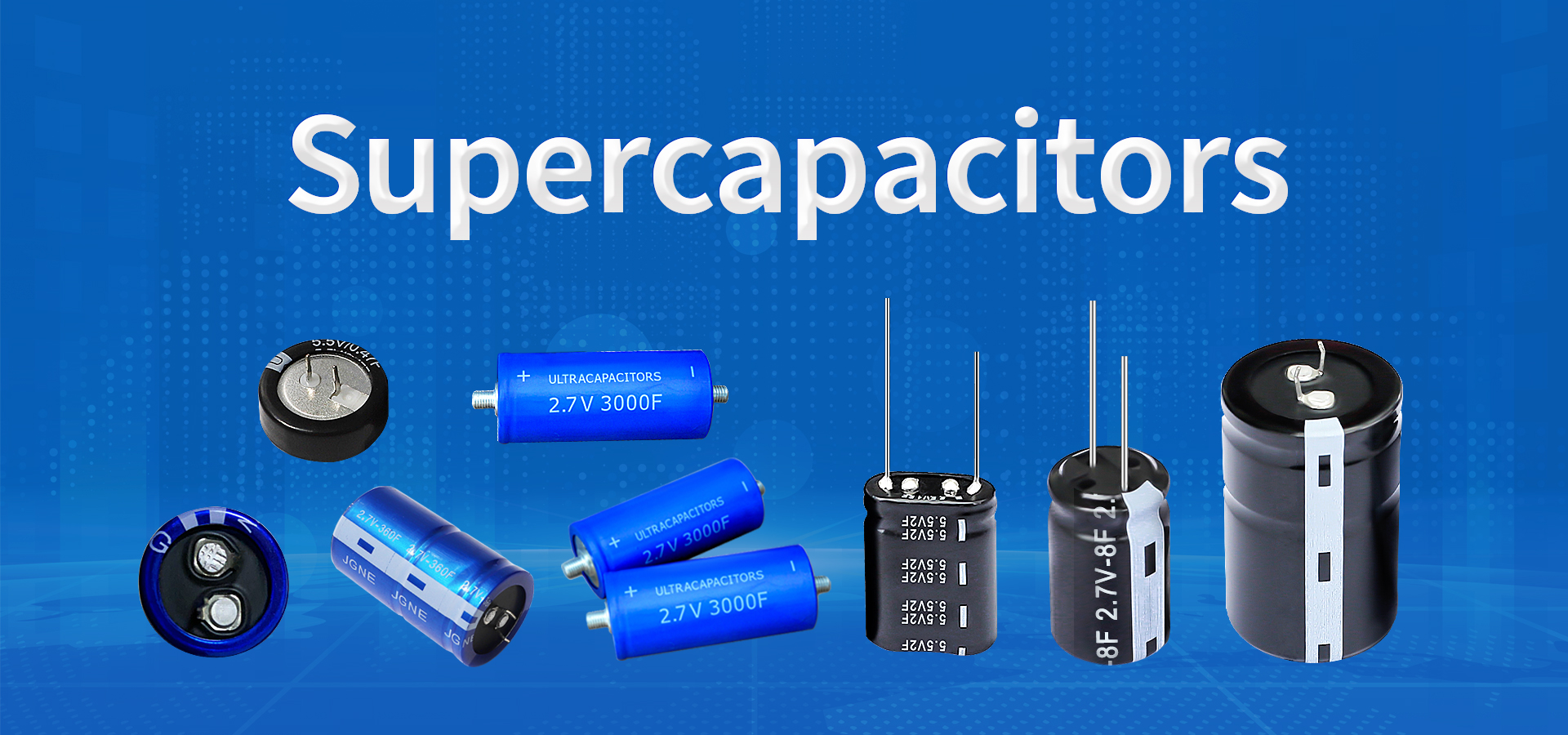
Energy storage has become one of the most important parts of modern technology. From smartphones and electric cars to solar systems and industrial machines, every device needs a reliable way to store and use energy. Two popular energy storage options today are supercapacitors and batteries. Many people compare them because both can store electrical energy, but they work in very different ways.
The debate around supercapacitor vs battery is growing as industries search for faster, safer, and longer-lasting energy solutions. Some experts believe supercapacitors may replace traditional batteries in the future, while others think batteries will continue to dominate because of their high energy storage capacity. To understand which one is better, it is important to look at how both technologies work, their strengths, weaknesses, and real-world uses.
This article explains the differences between supercapacitors and batteries in simple words. It will also help you understand which option is better for different energy storage needs.
What Is a Battery?
A battery is a device that stores energy in chemical form and converts it into electricity when needed. Batteries have been used for many years in everyday products like remote controls, laptops, watches, and vehicles. The most common modern batteries are lithium-ion batteries because they are lightweight and can store a large amount of energy.
Batteries work through chemical reactions inside the cells. When the battery is charging, energy is stored chemically. When the device needs power, the battery releases that stored energy slowly over time. This process allows batteries to provide steady power for long periods.
One major reason batteries are popular is their high energy density. This means they can store a large amount of energy in a small space. For example, electric cars depend heavily on lithium-ion batteries because they can power vehicles for hundreds of kilometers on a single charge.
However, batteries also have some disadvantages. Charging can take time, and repeated charging cycles slowly reduce battery life. Overheating and chemical damage are also possible if batteries are not managed properly.
What Is a Supercapacitor?
A supercapacitor is another type of energy storage device, but it works differently from a battery. Instead of storing energy through chemical reactions, a supercapacitor stores energy using electrostatic charge. Because of this, it can charge and discharge much faster than a battery.
Supercapacitors are designed for quick energy transfer. They can be charged in seconds or minutes instead of hours. They are also capable of handling millions of charge and discharge cycles without losing much performance. This makes them highly durable compared to traditional batteries.
These devices are often used in systems where quick bursts of power are needed. For example, supercapacitors are found in regenerative braking systems in electric buses, backup power systems, and industrial equipment.
Although supercapacitors are fast and durable, they cannot store as much energy as batteries. Their energy density is much lower, which means they cannot power devices for long periods without frequent recharging.
How Batteries and Supercapacitors Differ
The biggest difference between batteries and supercapacitors is the way they store energy. Batteries rely on chemical reactions, while supercapacitors rely on electrical charge storage.
Batteries are better for long-term energy supply because they can hold more energy. A smartphone battery, for example, can keep the phone running for many hours. A supercapacitor of the same size would discharge much faster.
On the other hand, supercapacitors are much faster when it comes to charging and discharging. A battery may need one or two hours to fully charge, while a supercapacitor may need only a few seconds or minutes.
Another important difference is lifespan. Batteries usually wear out after a few hundred or thousand charge cycles. Supercapacitors can survive millions of cycles with very little damage. This makes them more reliable in applications requiring constant charging and discharging.
Temperature performance is also different. Supercapacitors generally work better in extreme temperatures compared to many batteries. This makes them useful in industrial and outdoor environments.
Advantages of Batteries
Batteries remain the most common energy storage solution because they offer several important advantages.
High Energy Storage
Batteries can store a large amount of energy in compact sizes. This is one of the main reasons they are used in electric vehicles, smartphones, and laptops.
Long Operating Time
A fully charged battery can provide energy for many hours or even days, depending on the application. This makes them ideal for devices that need continuous power.
Widely Available
Battery technology is already well developed. Batteries are easy to find, affordable, and supported by large manufacturing industries worldwide.
Suitable for Portable Devices
Because batteries store more energy, they are perfect for portable electronics that require lightweight and long-lasting power sources.
Disadvantages of Batteries
Despite their popularity, batteries also have limitations.
Slow Charging Speed
Many batteries take a long time to recharge. Fast charging technologies exist, but they may reduce battery lifespan over time.
Limited Lifespan
Batteries slowly lose performance after repeated use. Eventually, they must be replaced.
Environmental Concerns
Battery production and disposal can create environmental problems because some batteries contain harmful chemicals and rare materials.
Safety Risks
Improper handling or overheating can sometimes lead to battery swelling, leakage, or fire.
Advantages of Supercapacitors
Supercapacitors offer unique benefits that make them useful in many modern systems.
Extremely Fast Charging
One of the biggest advantages of supercapacitors is speed. They can charge very quickly, making them useful where rapid energy delivery is needed.
Long Lifespan
Supercapacitors can survive millions of charging cycles. This makes them far more durable than traditional batteries.
High Power Delivery
They can release energy almost instantly. This is perfect for systems needing short bursts of strong power.
Better Temperature Performance
Supercapacitors often perform well in very hot or cold conditions where some batteries may struggle.
Disadvantages of Supercapacitors
Even though supercapacitors are impressive, they still have weaknesses.
Low Energy Density
Supercapacitors cannot store as much energy as batteries. This limits their use in long-duration applications.
Higher Cost Per Unit of Energy
Although prices are improving, supercapacitors can still be expensive compared to batteries for large-scale energy storage.
Fast Self-Discharge
Supercapacitors lose stored energy faster when not in use. Batteries usually retain charge for longer periods.
Applications of Batteries
Batteries are used almost everywhere in modern life. Smartphones, laptops, electric cars, drones, medical devices, and solar energy systems all depend on battery technology.
Electric vehicles especially rely on advanced lithium-ion batteries because they need long driving ranges. Renewable energy systems also use batteries to store electricity generated from solar panels and wind turbines.
In homes, backup power systems often use batteries to provide electricity during power outages. Portable electronics also continue to depend mainly on batteries because of their ability to store large amounts of energy.
Applications of Supercapacitors
Supercapacitors are commonly used in systems that require rapid charging and fast energy release.
One popular use is regenerative braking in electric vehicles and buses. When the vehicle slows down, energy is captured and stored quickly in supercapacitors. This energy can then be reused for acceleration.
They are also used in backup power systems for servers and industrial machines because they can provide instant energy during short power interruptions.
In renewable energy systems, supercapacitors help stabilize sudden changes in power supply. They are also useful in cranes, elevators, and heavy machinery where quick bursts of energy are required.
Which Is Better for Energy Storage?
The answer depends on the purpose of the energy storage system. Batteries are better for storing large amounts of energy over long periods. Supercapacitors are better for fast charging, quick power delivery, and long operational life.
If you need a power source for a smartphone, laptop, or electric vehicle that must run for hours, batteries are usually the better option. They provide steady energy and have higher storage capacity.
If you need a system that charges in seconds and handles millions of cycles, supercapacitors are more suitable. They are excellent for industrial systems, emergency backup power, and quick energy transfer applications.
In many cases, companies now combine both technologies. Hybrid systems use batteries for long-term energy storage and supercapacitors for rapid power delivery. This approach improves efficiency and performance.
The Future of Energy Storage
The future of energy storage may involve both batteries and supercapacitors working together. Researchers are constantly developing new materials and technologies to improve performance, safety, and cost.
Battery technology continues to improve with better lithium-ion designs, solid-state batteries, and safer materials. These advancements may increase charging speed and lifespan while reducing environmental impact.
At the same time, supercapacitors are becoming more advanced. Scientists are working on increasing their energy density so they can store more power while keeping their fast charging abilities.
As renewable energy systems grow worldwide, demand for better energy storage solutions will continue to increase. Both batteries and supercapacitors will likely play important roles in supporting clean energy, electric transportation, and smart technology.
Conclusion
The comparison between supercapacitor vs battery shows that both technologies have unique strengths and weaknesses. Batteries are excellent for storing large amounts of energy and powering devices for long periods. Supercapacitors are ideal for rapid charging, fast energy delivery, and long-lasting performance.
Neither technology is completely better in every situation. The best choice depends on the application and energy requirements. Batteries dominate portable electronics and electric vehicles, while supercapacitors excel in systems needing quick power bursts and high durability.
As technology continues to improve, future energy storage systems may combine the best features of both. This could lead to faster charging, longer-lasting devices, and more efficient renewable energy solutions for the modern world.
