

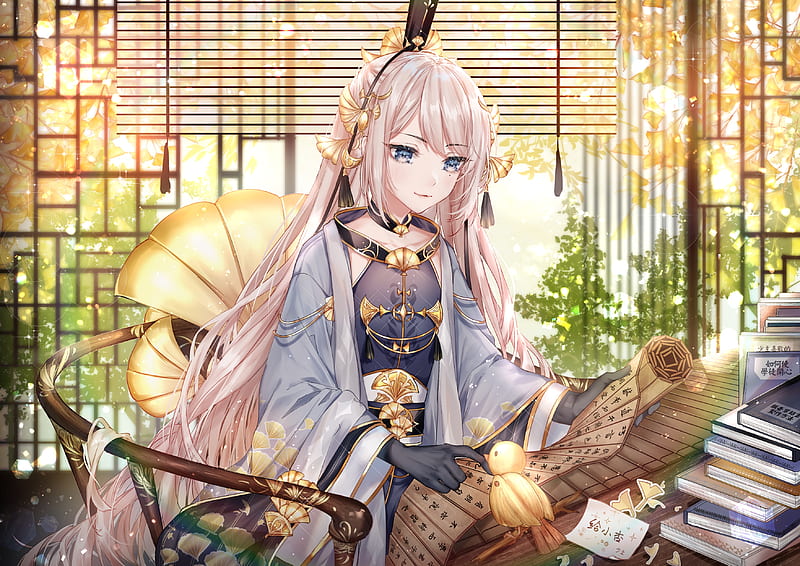
A few years ago, if someone told me gaming characters would influence what people wear on the street, I probably would’ve laughed a little. Back then, gaming hoodies were mostly oversized merch with loud logos slapped across the front. Nothing stylish about it.
Now? It’s completely different.
I was at a café recently and noticed three people wearing outfits that honestly looked straight out of a futuristic RPG. Chunky sneakers, tactical pants, cropped jackets, neon details. Nobody mentioned gaming, but you could feel the inspiration immediately. That’s the strange thing about games and fashion today. The connection isn’t always obvious anymore. It just blends into everyday culture.
And honestly, it happened faster than most people realized.
Gaming Isn’t Just Entertainment Anymore
Gaming used to stay inside bedrooms and online communities. Now it spills into music, streetwear, luxury fashion, and even runway shows.
Big brands noticed that gamers care deeply about identity. People customize characters for hours because appearance matters. The same mindset naturally moved into real-life fashion choices too.
You can see it everywhere now:
- Oversized cyberpunk jackets
- Utility vests inspired by battle royale games
- Anime-style sneakers
- Pixel-inspired accessories
- LED fashion pieces that look futuristic
And younger audiences especially don’t separate digital identity from real identity anymore. Their online character style affects what they buy in stores. That line got blurry years ago.
Why Gamers Care About Style So Much
People outside gaming sometimes think players only care about graphics or competition. But honestly, customization is a huge part of gaming culture.
I’ve spent embarrassing amounts of time adjusting character outfits in games instead of actually playing missions. And I know I’m not the only one.
The psychology behind it is simple. When players connect emotionally with a character, they also connect with the style attached to that world.
Virtual Fashion Feels Personal
Games let people experiment safely.
Someone who’d never wear bright neon colors in daily life might love them in a game. After a while, that confidence slowly moves offline too.
That’s one reason modern streetwear feels bolder now. Gaming normalized visual experimentation.
And social media amplified it even more.
Streetwear Brands Saw the Opportunity Early
Streetwear was probably the first fashion category to fully understand gaming culture.
Brands realized gamers aren’t a niche audience anymore. They’re massive consumers with strong online influence.
So collaborations started appearing everywhere.
Limited Drops Created Huge Demand
Exclusive gaming-inspired collections sell out ridiculously fast now.
Sometimes it’s because of nostalgia. Other times it’s because fans genuinely like the design.
A lot of these collections work because they don’t scream “gamer merch.” They use subtle references instead.
That matters.
People want clothing that feels wearable outside conventions or esports events.
Luxury Fashion Entered the Gaming World Too
This part still surprises me sometimes.
High-end fashion houses once ignored gaming completely. Now they actively collaborate with game developers and digital creators.
And it makes sense financially.
Gaming audiences are young, trend-aware, and globally connected. Luxury brands wanted access to that energy.
Digital Clothing Became a Real Business
Here’s the wild part: people now spend real money on outfits that only exist digitally.
At first, I didn’t understand it at all.
But then I remembered people already spend money customizing social media profiles, phone wallpapers, and avatars. Digital fashion is just the next version of that behavior.
Some players value rare skins the same way sneaker collectors value limited editions.
That overlap between games and fashion keeps getting stronger every year.
Esports Changed Fashion Culture Too
Professional gaming introduced a completely different layer to fashion.
Esports players became influencers without trying to.
Fans started copying:
- Hairstyles
- Sneakers
- Team hoodies
- Glasses
- Accessories
And esports organizations noticed quickly. Their merchandise became cleaner, more wearable, and honestly way more fashionable than older gaming apparel.
A lot of esports jerseys now look similar to modern sportswear collections.
Also Read About: Coachella 2025 Outfits
The Rise of Techwear and Futuristic Fashion
Gaming heavily influenced the popularity of techwear. You can almost trace the aesthetic directly back to sci-fi and open-world games.
Think about it:
- Waterproof utility jackets
- Multi-pocket cargo pants
- Tactical boots
- Reflective materials
- Futuristic silhouettes
Those styles feel like something a video game protagonist would wear while surviving in a cyberpunk city.
And people love it because it feels functional and visually different at the same time.
Personally, I think gaming helped make futuristic fashion feel less weird to wear publicly.
Social Media Accelerated Everything
TikTok, Instagram, and streaming platforms changed how trends spread.
A single creator wearing a gaming-inspired outfit can influence thousands of viewers overnight.
Sometimes trends explode from:
- Cosplay videos
- Twitch streams
- Gaming edits
- Character recreations
- Anime-inspired styling
And honestly, some gaming communities are more fashion-aware than traditional fashion spaces now.
That sounds dramatic, but it’s true.
Fashion in Games Is Becoming More Detailed
Developers understand style matters now.
Character clothing design gets massive attention because players notice every little detail.
Some games even hire real fashion designers for virtual collections.
And players care deeply about:
- Fabric textures
- Accessories
- Color combinations
- Rare cosmetics
- Character aesthetics
It’s not just gameplay anymore. Visual identity became part of the experience.
Younger Generations See Fashion Differently
For Gen Z especially, digital style feels completely normal.
Owning a cool in-game outfit can feel just as exciting as buying real sneakers.
Older generations sometimes don’t get it. But honestly, culture changes. Every generation values different forms of self-expression.
Gaming simply became another place where identity lives.
And that identity eventually influences real-world shopping habits.
Games and Fashion Are Probably Just Getting Started
The connection still feels early somehow.
Virtual reality, AI-generated clothing concepts, and digital avatars will likely push fashion even further into gaming spaces over the next few years.
I wouldn’t be surprised if future wardrobes become partially digital alongside physical clothing.
Sounds strange now. But ten years ago, luxury fashion inside video games sounded strange too.
Things change quickly online.
And gaming culture moves even faster.
Final Thoughts
What makes games and fashion interesting isn’t just the clothing itself. It’s how naturally the two worlds merged without people fully noticing.
Gaming stopped being a separate subculture a long time ago. It influences music, language, entertainment, and now personal style too.
Some trends will disappear, obviously. Others already feel permanent.
But one thing’s pretty clear now: fashion inspiration no longer comes only from runways or celebrities.
Sometimes it comes from a character holding a controller-shaped sword in a futuristic open-world game at 2 a.m. while millions of people watch online.
And honestly… that’s kind of cool.
FAQs
Why are gaming and fashion connected now?
Gaming became part of mainstream culture. Players care about customization and identity, which naturally connects with fashion and self-expression.
What fashion styles are inspired by gaming?
Techwear, cyberpunk fashion, oversized streetwear, anime-inspired outfits, futuristic sneakers, and tactical clothing are heavily influenced by gaming aesthetics.
Do luxury brands really collaborate with games?
Yes, many luxury fashion brands now work with gaming companies to create digital outfits, limited collections, and virtual fashion experiences.
Why do gamers spend money on digital clothing?
Digital outfits help players express personality and status online, similar to how people use fashion in real life.
Is gaming fashion only popular with younger people?
Younger audiences lead the trend, but gaming-inspired fashion has spread into mainstream streetwear and modern fashion culture overall.
